Healing the vagus nerve involves supporting and regulating your nervous system through practices that help your body move out of stress mode and back into a state of safety and balance. Techniques such as breathwork, meditation, hypnotherapy, gentle movement, cold water exposure and improving sleep can all help strengthen vagal tone and improve how your nervous system responds to everyday life.
What is the vagus nerve and why is it important?
The vagus nerve is the longest cranial nerve in the body, connecting the brain to many major organs including the heart, lungs and digestive system.
It plays a key role in the parasympathetic nervous system, often referred to as the “rest and digest” response. This system helps the body recover from stress, regulate emotions, support digestion and maintain overall wellbeing.
When the vagus nerve is functioning well, you are more likely to feel calm, resilient and able to recover from challenges. When it becomes dysregulated, you may experience symptoms such as anxiety, digestive issues, poor sleep and feeling constantly on edge.
Can the vagus nerve be healed?
The good news is that the vagus nerve is adaptable.
Rather than thinking of it as damaged or broken, it is often more helpful to think of it as under-functioning or dysregulated. Just as muscles become stronger through regular exercise, the vagus nerve can become more responsive through consistent practices that support nervous system regulation.
This process is often referred to as improving vagal tone.
The aim is not perfection. The goal is to help your nervous system become more flexible, allowing you to move more easily between periods of activity and relaxation.
What causes vagus nerve dysfunction?
There are many factors that can affect how well the vagus nerve functions.
These may include:
- chronic stress
- anxiety
- trauma
- poor sleep
- burnout
- prolonged illness
- lack of relaxation
- ongoing emotional pressure
When the body spends long periods in fight, flight or freeze mode, the nervous system can begin to treat stress as its normal state.
Over time, this can make it difficult to switch off, relax or feel fully safe.
How breathing exercises help heal the vagus nerve
One of the simplest and most effective ways to support the vagus nerve is through conscious breathing.
Slow, controlled breathing signals to the brain that you are safe. This helps activate the parasympathetic nervous system and encourages relaxation.
Practices such as:
- diaphragmatic breathing
- box breathing
- coherent breathing
- extended exhale breathing
can all help improve vagal tone when practised consistently.
Many people notice a reduction in stress and anxiety after only a few minutes of focused breathing.
Can meditation support vagus nerve healing?
Meditation has been shown to calm the nervous system and reduce the body’s stress response.
Regular meditation encourages greater awareness of thoughts and emotions while helping the body return to a calmer state.
Over time, this can help:
- reduce anxiety
- improve emotional regulation
- support better sleep
- strengthen resilience to stress
Even a short daily meditation practice can make a meaningful difference.
How movement and exercise support the vagus nerve
Gentle movement helps regulate the nervous system and release accumulated stress from the body.
Activities such as:
- walking
- yoga
- stretching
- tai chi
- swimming
can all support healthy vagus nerve function.
Yoga can be particularly beneficial because it combines movement, breathing and mindfulness, all of which influence the parasympathetic nervous system.
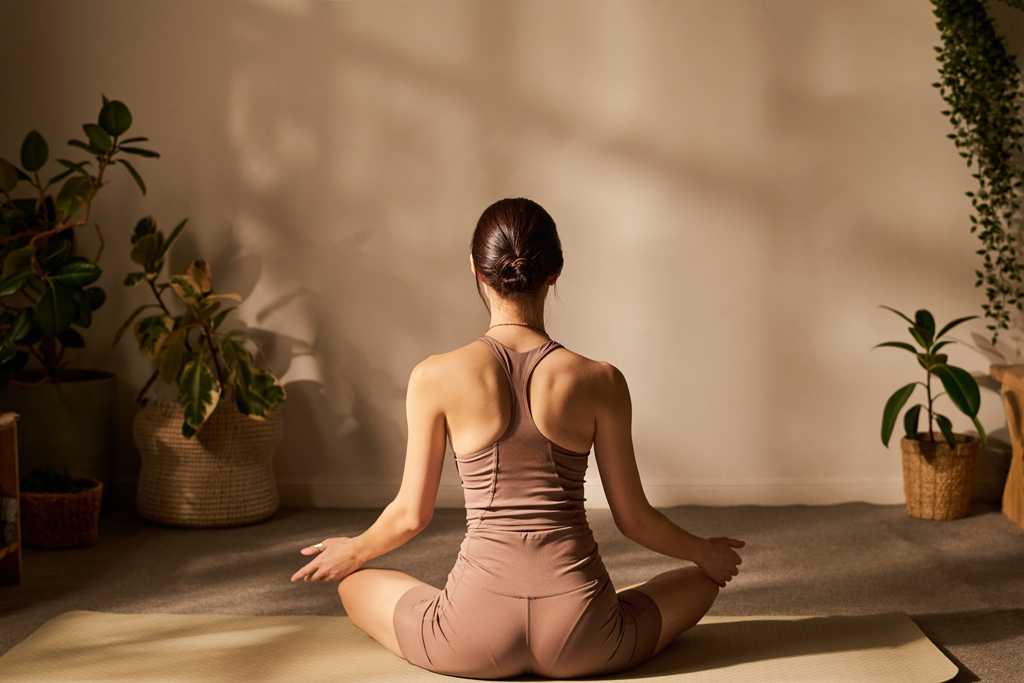
The goal is not intense exercise, but movement that helps the body feel safe, grounded and connected.
Can cold water help stimulate the vagus nerve?
Cold water exposure has become increasingly popular as a way to stimulate the vagus nerve.
Activities such as:
- finishing a shower with cold water
- splashing cold water on your face
- cold-water swimming
can activate the vagal response and improve nervous system flexibility.
This should always be approached gradually and safely, particularly if you have underlying health conditions.
Why sleep is essential for vagus nerve health
Sleep is one of the body’s most important recovery mechanisms.
Poor sleep can increase stress hormones, reduce resilience and make it harder for the nervous system to regulate itself effectively.
Supporting healthy sleep habits can have a significant impact on vagal tone.
This may include:
- maintaining a regular sleep routine
- reducing screen time before bed
- practising relaxation techniques
- creating a calm sleep environment
Small improvements in sleep often create wider improvements throughout the nervous system.
Can trauma affect the vagus nerve?
Yes. Trauma and prolonged stress can have a profound impact on the nervous system.
When difficult experiences are not fully processed, the body may remain in a state of hypervigilance, even when the original threat has passed.
This can lead to symptoms such as:
- anxiety
- emotional overwhelm
- digestive issues
- difficulty relaxing
- feeling constantly alert
In these situations, healing the vagus nerve often involves addressing the underlying emotional patterns as well as the physical symptoms.
How hypnotherapy can help heal the vagus nerve
Hypnotherapy works with the subconscious mind and nervous system to promote a state of deep relaxation and safety.
During hypnosis, the body naturally shifts towards the parasympathetic state, helping to reduce stress and calm the nervous system.
Many clients find that hypnotherapy helps them:
- feel calmer and more in control
- reduce anxiety and overwhelm
- improve sleep
- develop healthier responses to stress
- reconnect with a sense of balance
By addressing both subconscious patterns and nervous system regulation, hypnotherapy can be a powerful support for vagus nerve healing.
How long does it take to heal the vagus nerve?
There is no single timeline because every person’s nervous system is different.
Some people notice improvements within a few weeks of introducing supportive practices. For others, particularly where stress or trauma has been present for a long time, the process may take longer.
Consistency is often more important than intensity.
Small daily practices carried out regularly tend to create more sustainable change than occasional dramatic interventions.
Frequently asked questions about healing the vagus nerve
Can the vagus nerve repair itself?
The vagus nerve has a remarkable ability to adapt and recover. By supporting nervous system regulation through breathing, relaxation, movement and therapeutic approaches, many people experience significant improvements in symptoms associated with vagal dysfunction.
What is the fastest way to stimulate the vagus nerve?
Slow breathing exercises, humming, singing, cold water on the face and mindfulness practices can all provide relatively quick vagal stimulation. While these techniques may offer immediate benefits, long-term improvements come from consistent practice.
Can anxiety be caused by a weak vagus nerve?
Anxiety is complex and can have many causes. However, poor vagal tone can contribute to nervous system dysregulation, making it harder for the body to return to a calm state after stress.
Can healing the vagus nerve improve digestion?
Yes. Because the vagus nerve plays an important role in the digestive system, improving vagal tone can help support healthier digestion and gut function for some people.
Is vagus nerve healing scientifically proven?
Research continues to explore the relationship between vagal tone, nervous system regulation and wellbeing. Many of the practices associated with vagus nerve support, including breathing exercises, meditation and mindfulness, are supported by growing scientific evidence.
Can hypnotherapy improve vagal tone?
Hypnotherapy promotes deep relaxation and activates the parasympathetic nervous system. While everyone’s experience is different, many people find it helps reduce stress, improve emotional regulation and support overall nervous system health.

Vagus nerve healing with hypnotherapy
If you often feel anxious, overwhelmed, emotionally drained or stuck in a constant state of stress, it may be worth exploring how your nervous system is responding.
Healing the vagus nerve is not about forcing yourself to relax. It is about helping your mind and body remember what safety feels like.
If you’re ready to restore your sense of calm and support your nervous system through vagus nerve healing, I’m here to help.
Book a free, initial consultation today and take the first step towards reclaiming your body, your wellbeing and your life.